
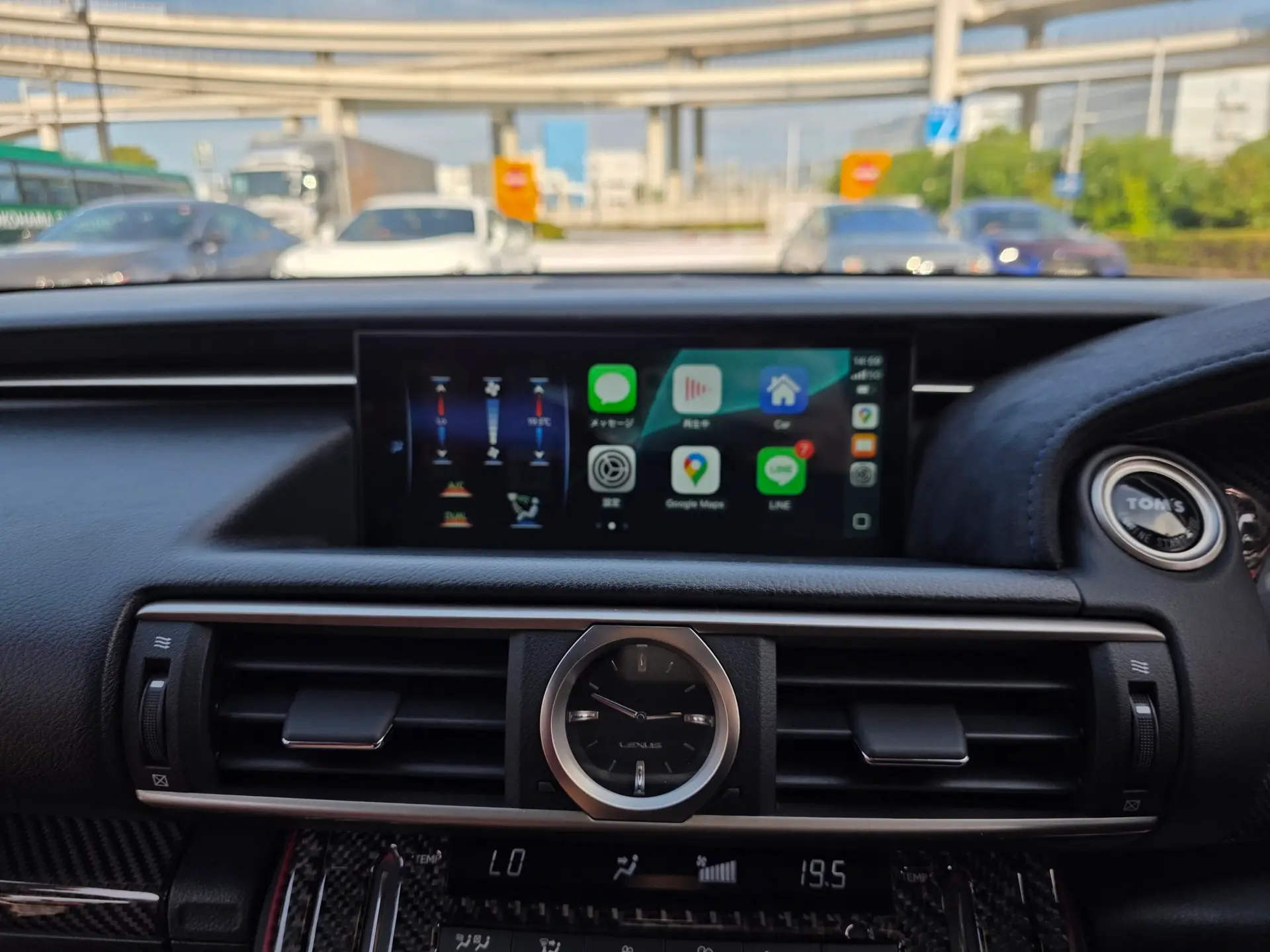
Upgrading your Lexus with Apple CarPlay is one of the most popular modifications today. However, many Lexus owners face an important decision: Linux CarPlay system vs Android monitor — which is actually better?
In this article, we will break down the key differences in real-world conditions and explain why Linux-based systems are the preferred choice for Lexus vehicles.
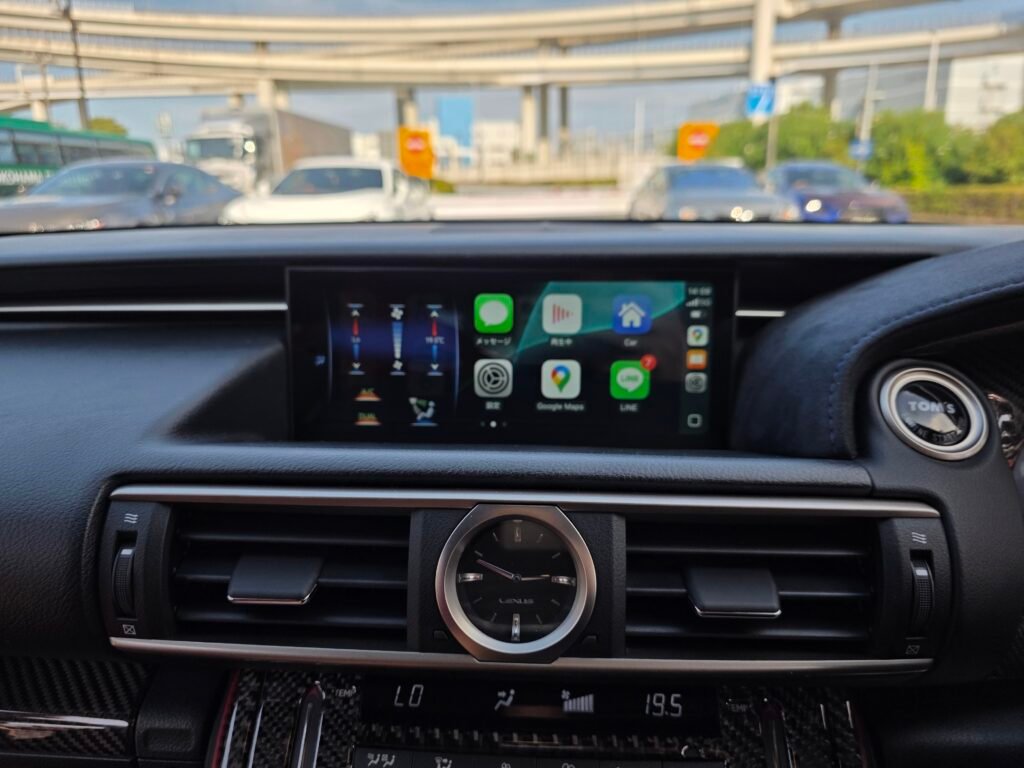
1. Linux CarPlay vs Android: Boot Time Comparison
When it comes to daily driving, boot time matters more than anything.
- Linux CarPlay system: under 5 seconds
- Android monitor: typically 25–30 seconds
For Lexus drivers, this difference is critical. A Linux system is ready almost immediately after starting the engine.
Including wireless CarPlay connection:
- Linux CarPlay: fully usable within ~15–20 seconds
- Android system: often takes 40–50 seconds
This delay can be frustrating, especially during short trips.
2. Why Linux CarPlay Is Better for Lexus Vehicles
Android OS was originally designed for smartphones—not vehicles.
This creates several problems in Lexus applications:
- Unnecessary background processes
- Higher system load
- Increased risk of bugs and crashes
For this reason, many automotive manufacturers avoid full Android systems in core infotainment environments.
Linux-based systems are different:
- Lightweight and purpose-built
- Optimized specifically for in-car use
- Stable under all driving conditions
For Lexus vehicles, this translates into a much more reliable experience.
3. Stability: Linux CarPlay vs Android Systems
In a typical linux carplay vs android comparison, stability is where the biggest difference appears.
Android monitors rely on middleware such as ZLINK to enable CarPlay functionality.
This creates dependency issues:
- Android OS updates
- ZLINK compatibility updates
- Potential connection failures
Over time, users may experience:
- CarPlay not connecting
- Random disconnections
- System lag or crashes
Linux CarPlay systems eliminate this problem by:
- Running a dedicated CarPlay protocol
- Avoiding unnecessary software layers
This results in long-term stability, especially important for Lexus owners.
4. Audio Quality: OEM Bluetooth vs AUX
Audio performance is a critical factor, especially in Lexus vehicles equipped with premium sound systems.
- Linux CarPlay: uses OEM Bluetooth directly
- Android systems: rely on AUX input
AUX-based audio often results in:
- Signal loss
- Lower clarity
- Possible noise interference
Linux systems maintain:
- Clean digital signal path
- Full integration with factory audio
For Lexus drivers who value sound quality, this is a major advantage.
5. Safety Considerations
Android monitors often allow:
- Video playback while driving
- Installation of various apps
While this may seem appealing, it introduces:
- Driver distraction
- Safety risks
- Legal concerns in certain regions
Linux CarPlay systems focus on:
- Navigation
- Music
- Communication
This aligns much better with safe driving standards.
6. Hardware Efficiency and Cost
Android systems require:
- More RAM
- Larger storage
- Higher processing power
This increases:
- System cost
- Power consumption
- Heat generation
Linux systems are far more efficient:
- Minimal resource usage
- Faster response
- Lower hardware requirements
Conclusion: Linux CarPlay vs Android for Lexus
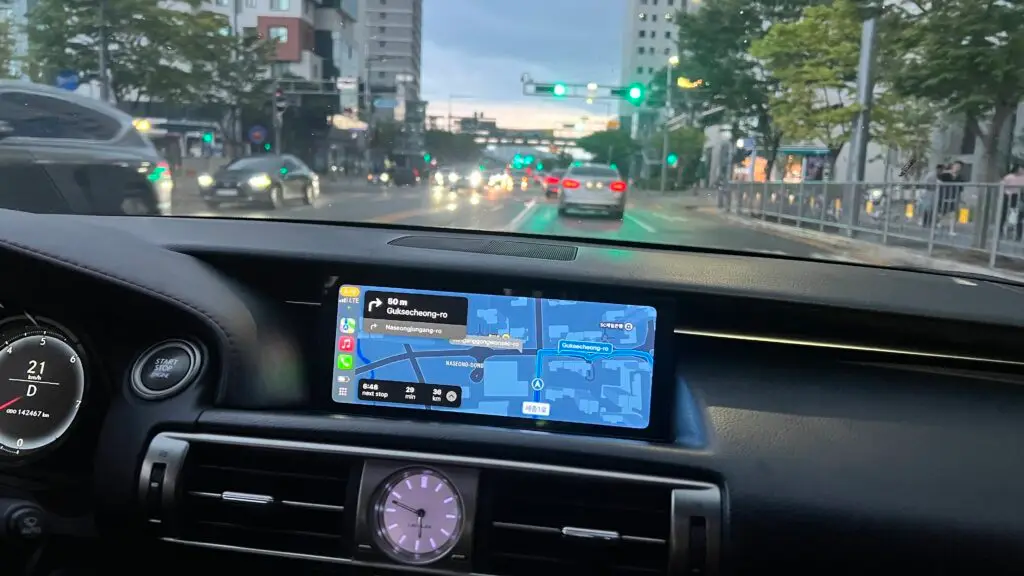
When comparing linux carplay vs android systems for a Lexus upgrade, the difference is clear.
Linux CarPlay systems offer:
- Faster boot time
- Superior stability
- Better audio quality
- Safer operation
- Long-term reliability
For Lexus owners looking for a seamless, OEM-like experience, Linux is the better choice.
Final Thoughts
At Lexion Automotive, our Linux-based CarPlay systems are designed specifically for Lexus vehicles—focusing on real-world performance, stability, and integration.